The Benefits of Camping
 Fred Baring
In our modern, every-day life, we experience constant notifications, climate-controlled rooms and endless convenience on tap. We spend most of our time indoors, sitting, staring at screens. This is not how our brains evolved to live.
Camping offers a change to all this, and it can change you.
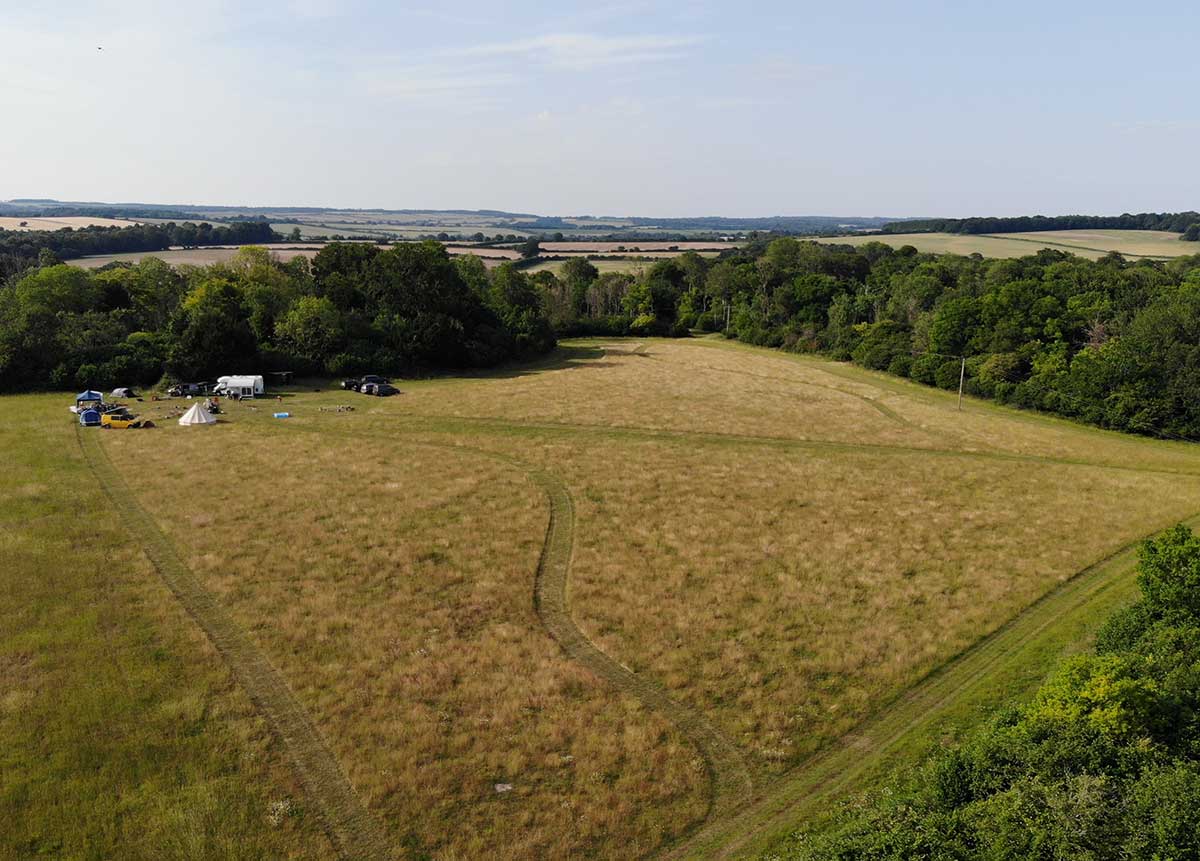
When you go camping, you return to your more ancestral rhythm that has shaped human biology for thousands of years. To an environment that demands movement, awareness, problem-solving, adaptation and skills.
Here are some of the ways camping supports brain health, physical health, is a reset for the nervous system and can help cognition and psychological resilience.
A Reset for the Mind
Research in environmental psychology shows that time spent in natural environments reduces mental fatigue, improves focus and lowers stress. Camping immerses you in nature for extended periods, which amplifies these restorative effects and allows your brain a break from the constant cognitive demand of life.
Better sleep, naturally
One of the most immediate benefits of camping is improved sleep. Without artificial light and screens, your body begins to follow the natural light cycles again. You wake with the sun, experience more daylight exposure, and often go to bed earlier when darkness falls. Better sleep directly affects memory consolidation, emotional regulation, cognitive performance and immune function.
Movement & energy
Camping involves far more movement than most daily routines. You carry gear, set up your camp, walk to the showers, play a garden game, walk to a pub, and you explore. Physical activity increases blood flow to the brain, delivering oxygen and nutrients to neural tissue. Exercise also promotes the release of neurotrophic endorphins which support neuronal growth and plasticity.
Relearning simplicity
Modern life has removed many of the small challenges you take for granted away from daily routine. Camping reintroduces them. Lighting a fire, cooking a meal, getting water, adapting to the weather – these seemingly small tasks engages problem-solving that strengthens neural networks involved in planning, decision-making and adaptation.
Building resilience
There is a reason people don’t live in tents all the time. Camping is not as comfortable as your home – but that’s part of its value. Small discomforts build resilience. Over time, what was once challenging becomes enjoyable, what might have seemed belittling will, surprisingly, bring joy. Little challenges feel good to overcome and you’ll return home with a stronger sense of your own capabilities.
A new perspective
Perhaps the most lasting effect of camping is how it can change your outlook. After a few days outside, everyday comforts will feel like luxuries and appreciated again. You will notice everyday things with greater clarity, the sounds of the birds in the woods, the stars at night that you can’t see in the city. This shift in perspective can create a deeper sense of gratitude.
Camping isn’t just a break away – it can be a much-needed reset. A chance to step away from the noise and reconnect with something more fundamental. If you’re looking to experience this yourself, explore our new exclusive-use campsite at The Grange. A simple, back-to-basics way to enjoy and stay on the Estate.